
Firstname1 Lastname1
Affilaition1
Title: TBD
Abstract: TBD
Bio: TBD
Architecting Agent Memory with Knowledge Graphs and Building structured, diverse, and equitable Agentic Memories for Smarter AI
November 10, 2026, co-located with AACL-IJCNLP 2026
Hengqin, Zhuhai, Tianmu Melody Convention Exhibition Center | Room TBD
Deadline Extended! New deadline September 14th, 2026 AoE
Submissions open! Submit your unpublished work through OpenReview and commit your ARR-reviewd one through OpenReview ARR.
First Call for papers! The call for papers is now live: Call For Papers.
The website of the workshop is live!
Workshop Proposal Accepted! We are excited to announce our proposal has been accepted for AACL 2026.
Watch the NeurIPS 2025 Workshop here: View Recording
Agents have experienced significant growth in recent years, largely due to the rapid technological advancements of Large Language Models (LLMs). Although these agents benefit from LLMs’ advanced generation proficiency, they still suffer from catastrophic forgetting and a limited context window size compared to the agents’ needs in terms of contextual information. Knowledge Graphs (KGs) are a powerful paradigm for structuring and managing connected pieces of information while unlocking deeper insights than traditional methods. Their value is immense for tasks that require context, integration, inter-linking, and reasoning. However, this power comes at the cost of significant upfront and ongoing investment in construction, curation, and specialised expertise. The NORA workshop aims at analysing and discussing emerging and novel practices, ongoing research efforts and validated or deployed innovative solutions that showcase the growing synergy between LLMs agents and KGs.
We welcome submissions and participations from intradisciplinary, interdisciplinary and multidisciplinary researchers and industry & public sector practitioners in the areas of Knowledge Graphs, Knowledge Engineering and Reasoning, Advanced NLP, GenAI, and AI Agents. We especially welcome contributions that provide theoretical insights, propose new approaches, or introduce new grounded solutions in real-world applications such as enterprise, smart assistance & chat, healthcare, finance, tourism, etc.
We invite submissions in this non-exhaustive list of topics of interest, including, but not limited to:
Note: All deadlines are Anywhere on Earth (AoE).
| Submission Open | June 28th, 2026 |
| Regular Submission Deadline | |
| ARR Commitment Deadline | September 14th, 2026 |
| Notification of Acceptance | October 1st, 2026 |
| Camera-ready Papers Due | October 12th, 2026 |
| Workshop Date | November 10th, 2026 |
Coming Soon
TBD
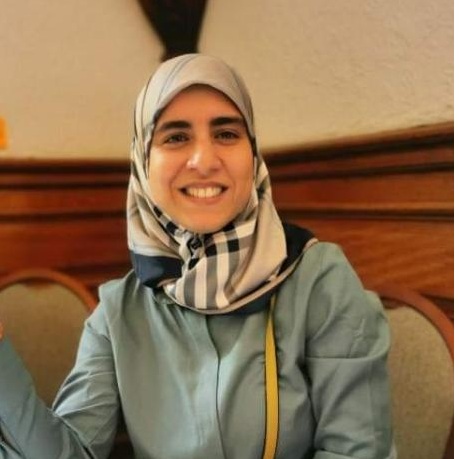
Independent Researcher

Huawei Technologies R&D UK Ltd

EcoVadis
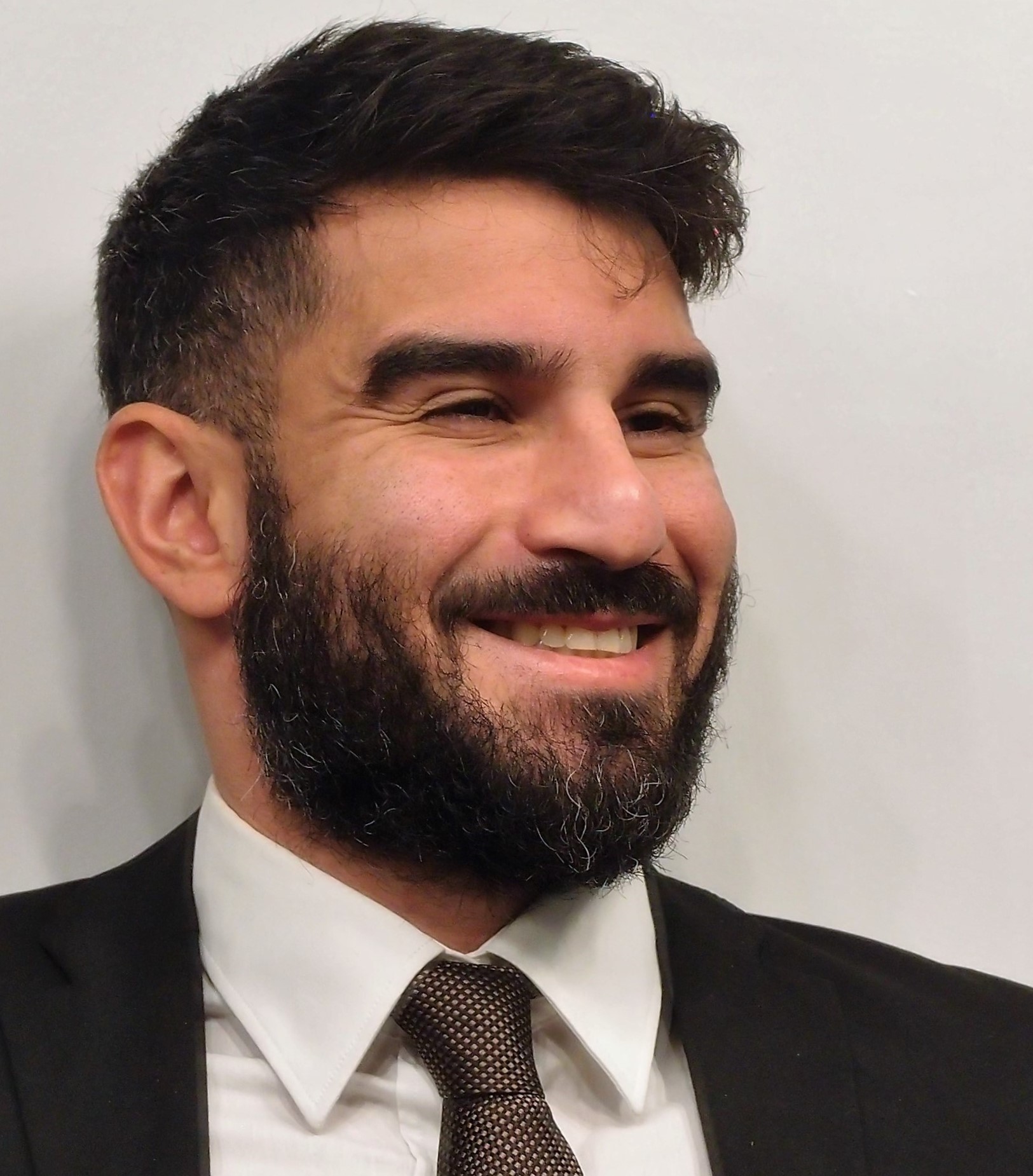
Huawei Technologies R&D UK Ltd
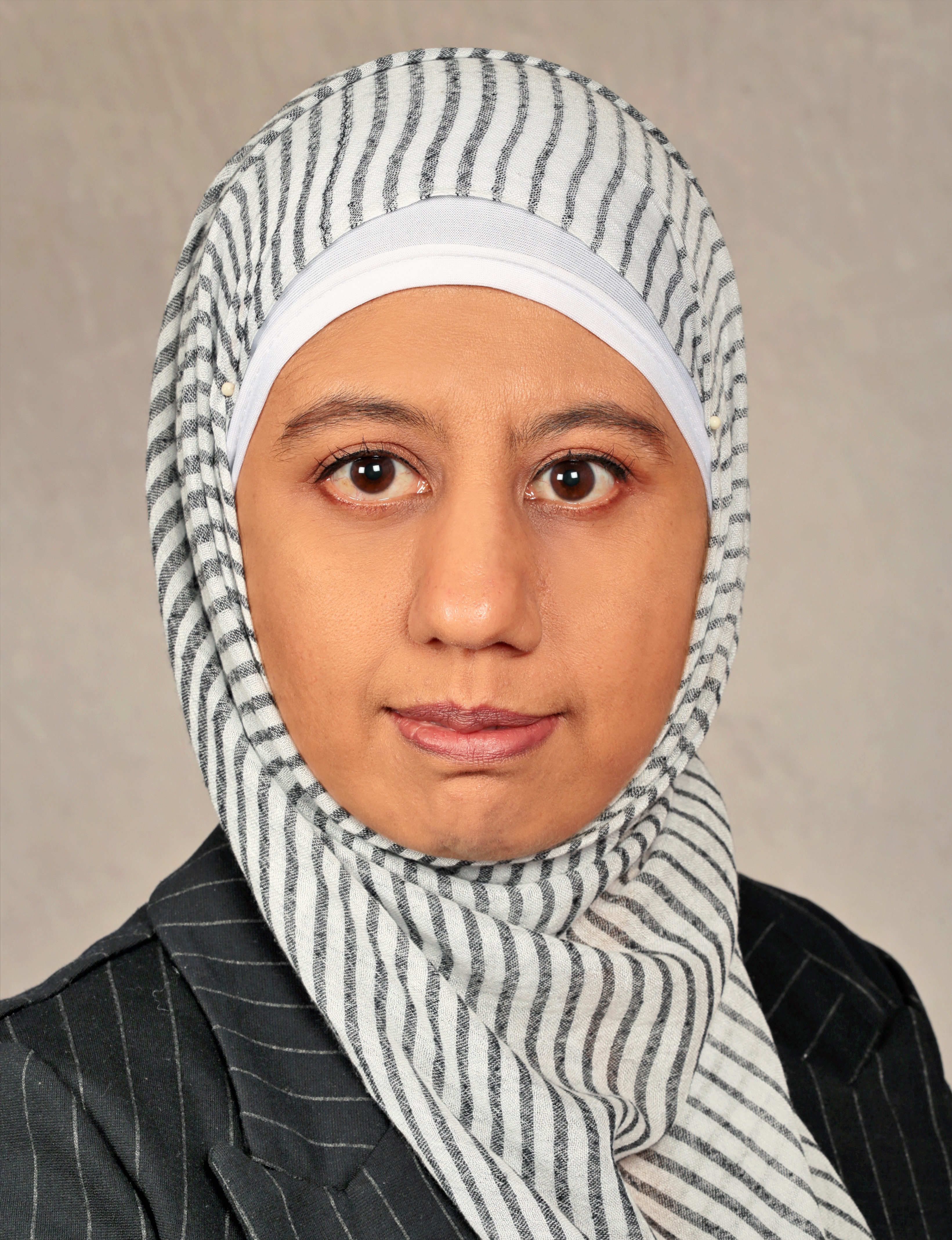
University Hospital Cologne
TBD
Sponsoring the 3rd NORA Workshop at AACL-IJCNLP 2026 helps connect your brand with global leaders in Natural Language Processing, Knowledge Graphs, and Agentic Systems. Your contribution directly supports students and early-career researchers, lowering their attendance costs so they can actively shape the future of AI. You will gain direct exposure to specialized AI and NLP experts investigating how to showcase the growing synergy between LLM agents and KGs while while helping foster vital collaboration between the complementary research areas of Agentic AI and Knowledge Graphs. You will also associate your brand with an archivable event whose official proceedings are formally published in the ACL Anthology.
To explore specific sponsorship packages and benefits, please have a look on our sponsoring packages here. For further information or to discuss custom options, you can contact the organizing committee at nora-workshop@googlegroups.com.